
Key takeaways
- School counselors, psychologists, and social workers are among the hardest roles in all of education to fill, competing against hospitals, private practice, and community agencies that can often move faster and pay more.
- Clinical roles carry more involved licensure, clearances, and verification than many positions, and slow credentialing can cost a district a candidate who has other offers on the table.
- No single tactic solves the shortage; districts making progress combine fast credentialing, flexible and contract arrangements, temp-to-perm placement for fit, university pipeline relationships, and retention through manageable caseloads and real support.
In this article
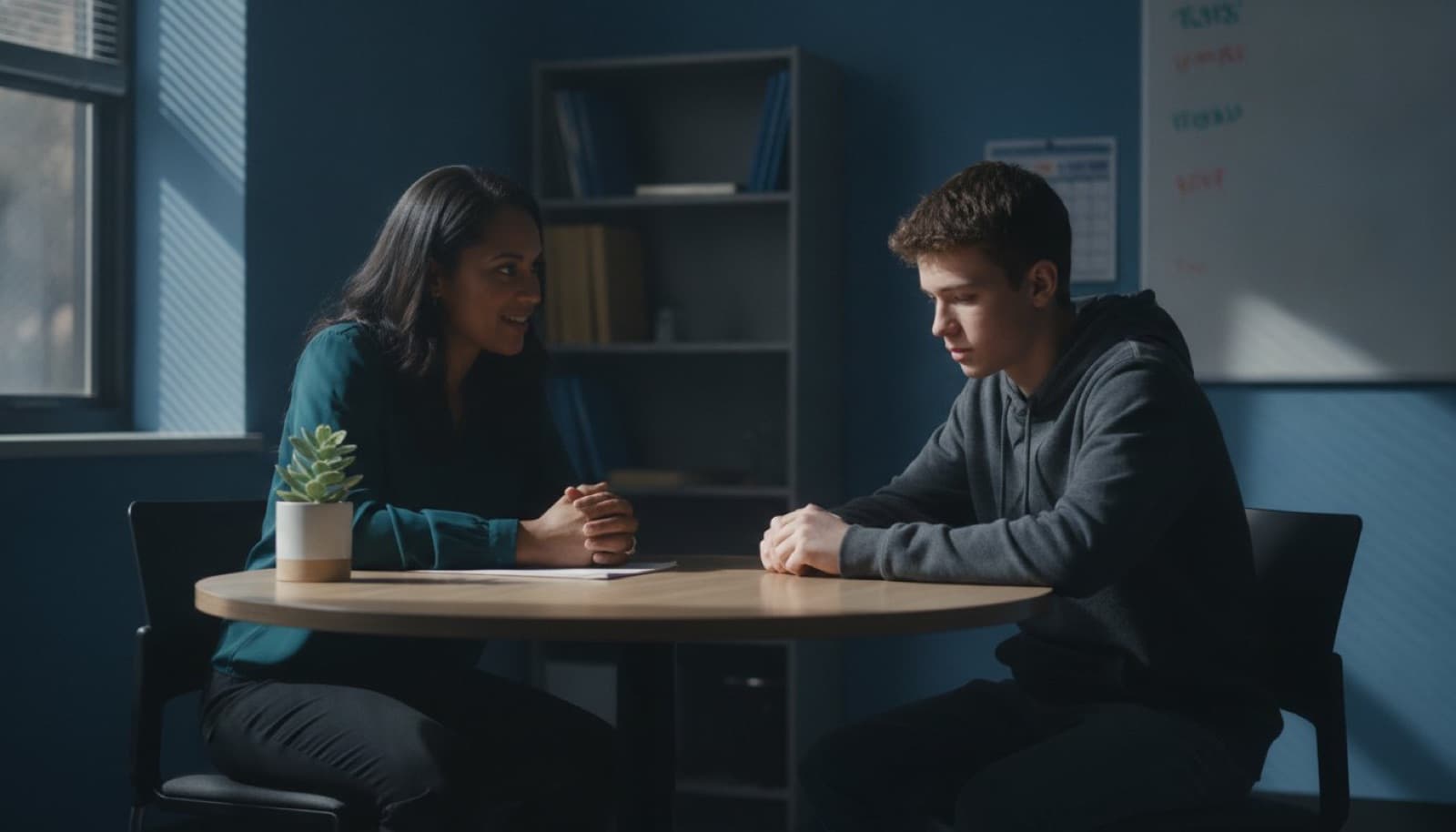
Walk into almost any school today and ask about the biggest change over the past several years, and the answer will not be curriculum or technology. It will be student mental health. Counselors, school psychologists, and social workers describe caseloads that have grown heavier and needs that have grown more acute. Districts know they need more of these professionals. The problem is that these are among the hardest roles in all of education to fill. At Odyssey Public Charter School, FocusedEDU filled 120+ roles across 13+ distinct job types — from paraprofessionals and one-on-one aides to SLPs, OTs, and psychologists — after the agencies already under contract fell short.
A Surge in Need, a Shortage of People
Student mental health need has risen faster than the supply of counselors, school psychologists, and social workers. These roles are hard to staff because caseloads exceed recommended ratios, funding is often categorical and time-limited, and general clinical recruiting rarely reaches people who understand a school building.
The demand is not speculative—it is sitting in waiting rooms and counselor referral lists. Schools are being asked to be the front line for student mental health, often as one of the few accessible points of care in a community. Yet the supply of qualified counselors, psychologists, and clinical social workers has not kept pace, and these professionals are recruited heavily by hospitals, private practice, and community agencies that can sometimes move faster and pay more.
Many schools report recommended caseload ratios that exist on paper but not in reality. The gap between what students need and who is available to help them has rarely been wider.
Why These Roles Are So Hard to Staff
- A genuinely limited candidate pool. These are licensed, specialized professionals. You cannot conjure a school psychologist on short notice the way you might cover a classroom.
- Heavy competition from outside education. Healthcare systems and private practice compete aggressively for the same clinicians, often with higher compensation and lighter caseloads.
- Credentialing complexity. Licensure, clearances, and verification for clinical roles are more involved than for many positions—and slow credentialing can cost you a candidate who has other offers.
- Geographic gaps. Rural and under-resourced districts often struggle most, precisely where alternatives for students are scarcest.
Strategies That Move the Needle
No single tactic solves this, but districts making real progress tend to combine several of the following.
- Move fast on credentialing. When a strong clinical candidate is weighing multiple offers, the district that can verify and onboard quickly wins. Automated credentialing—which can cut hiring time roughly in half—turns a slow, paperwork-heavy process into a competitive advantage.
- Use flexible and contract arrangements. Not every district can support a full-time school psychologist at every campus. Shared, part-time, or contract clinicians can extend coverage where a full-time line is not feasible.
- Consider temp-to-perm for clinical fit. Mental-health roles depend heavily on trust and fit with a school community. Temp-to-perm placement lets both sides confirm the match before a permanent commitment.
- Build relationships with training programs. Universities producing counselors, psychologists, and social workers are a natural pipeline—internships and practicum placements often become hires.
- Protect the people you have. Retention is recruitment. Manageable caseloads, supervision, and genuine administrative support keep clinicians from burning out and leaving.
How Do You Build a School Mental-Health Team?
Filling clinical roles well requires both speed and care, and that is exactly the balance we are built for. Our automated credentialing shortens the time it takes to get a licensed clinician cleared and working—critical when candidates have competing offers. Our temp-to-perm placements, offered at no cost to the district, let you confirm a counselor or social worker is the right fit for your students before committing. And because we work with only one client per region, the clinicians in your pipeline are recruited for you, not shared across competing districts in your area.
Founded by a former K-12 teacher, FocusedEDU understands that a school counselor or psychologist is not just a line on an org chart—they are often the person a struggling student trusts most. If you are working to expand your mental-health staffing, we would welcome the conversation. Schedule a discovery call and we will help you build a plan to get qualified support in front of the students who need it.